Roma Italy is one of those places that sneaks into your heart without asking permission, a bit like a bowl of pasta you swore you would only take one bite of. If you have that itch to finally go, I’ve got you. I travel like I cook simple, joyful, and always hungry for the good stuff. When I first planned my trip, I dove into guides like this Rome travel guide and then added my own foodie twists. In this post, I’ll share what I love most, what confused me at first, and how to get the most flavor from your days. Think of it like a recipe for the perfect Roman visit. Let’s make it easy and delicious.
Name and symbol
Here’s a fun way to look at it. When I walk new streets, I look for the city’s flavor. For Roma Italy, it starts with the name and the famous symbols that show up everywhere. The she-wolf with Romulus and Remus. Those bold letters SPQR on manhole covers and stone plaques. Golden keys and laurel wreaths on old doors. Even the taxis carry hints of it. It’s like garnish on a plate, giving you context with every step.
You’ll see SPQR a lot. It stands for Senatus Populusque Romanus, and it connects ancient Rome to the living city you’re wandering now. The wolf and twins remind you of myth. The keys often nod to the Vatican nearby. Spotting these is a mini scavenger hunt, and honestly, it makes every walk feel like a story unfolding.
If you’re pairing cities, I loved comparing symbols here with another Italian gem. Venice has its own magic and I wrote about that too. If you’re curious, take a peek at this quick Venezia visit guide; it pairs nicely with Rome if you like mixing city flavors.
What you will notice
- SPQR on drains, fountains, marble plaques, and bridges.
- She-wolf emblem in statues, souvenirs, and museums.
- Rosy travertine stone that glows at golden hour.
- Key motifs and papal crests as you move closer to Vatican City.
Once you start noticing these, you’ll feel more at home and less like you’re just ticking sights off a list. And that’s the goal. Eat with your eyes, not only your fork.
History
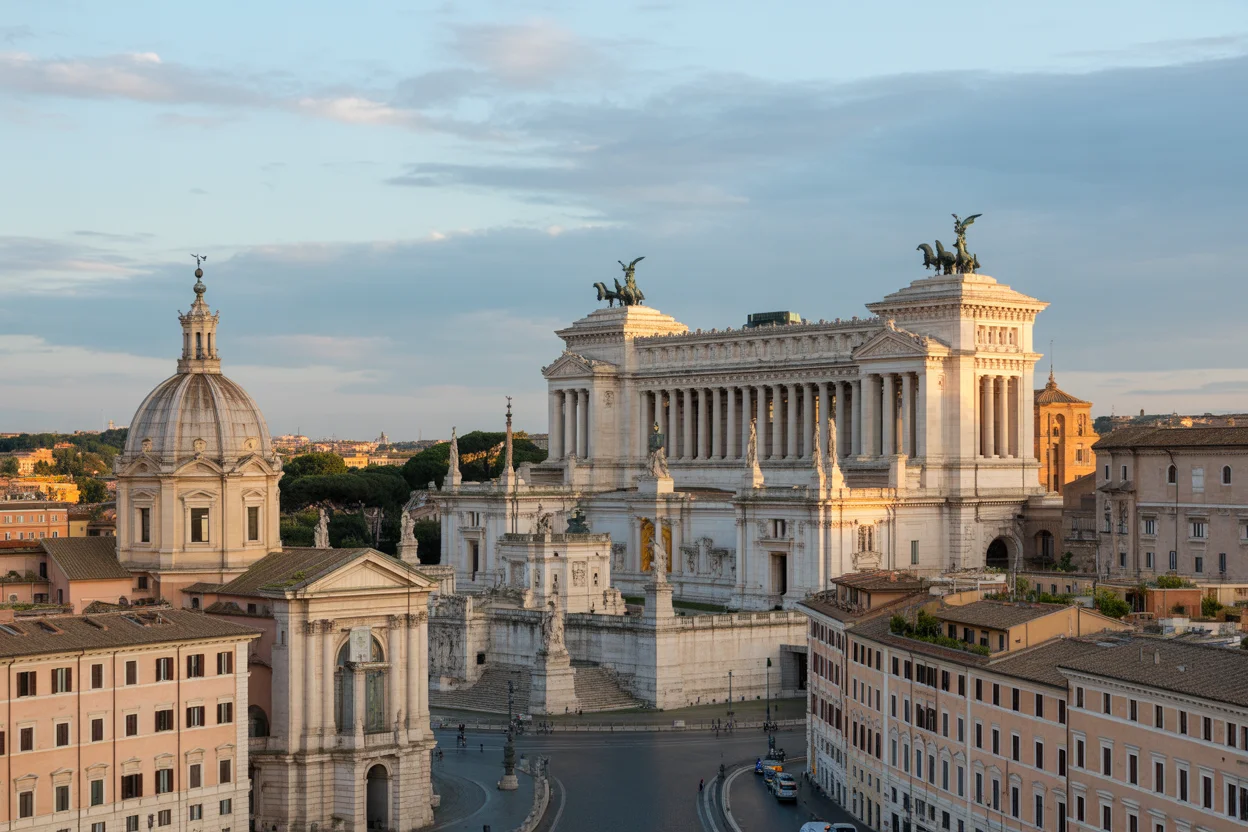
When people say Rome wasn’t built in a day, they mean layers. Ancient empire, Renaissance elegance, Fascist-era boulevards, and buzzing modern life coexisting like a perfect plate of pasta with a little crunch and a little creaminess. You’ll walk from the Colosseum to baroque fountains, then slip into a cozy trattoria that’s been serving the same dish for 80 years, and it all makes sense.
From myth to modern city
The legend of Romulus and Remus sets the tone. The Republic and Empire wrote the early chapters. Then came popes, artists, and marble that still seems to sing. Fast forward to today and you’ll find street art in Ostiense, hip cafes in Pigneto, and timeless sunsets over the Tiber. If you like a straightforward, feelings-first route through the city, here’s another helpful read I liked to keep on hand: emotional guide to Rome. It balances facts with lived moments, which is exactly how I travel and cook.
Practical tip. Museums can get crowded, and some sites need reservations. Book big hitters like the Vatican Museums and the Colosseum ahead of time. Early mornings help, and so do late afternoons. Avoid the hottest midday window if you can. Your feet and photos will thank you.
Geography
Roma Italy rolls across seven hills with the Tiber slicing through like a lazy ribbon. If that sounds poetic, it is, but the layout matters for your daily plans. The historic center is walkable, the Metro runs in a simple X shape, and buses fill in the rest. Trastevere sits west of the river and feels like a neighborhood you’ll want to claim as your own. Monti is cool and central. Testaccio is local and tasty. Prati is clean lines and a quick walk to the Vatican.
How to orient yourself
Think of the city like a plate. The Colosseum and Roman Forum are your hearty base. The Pantheon and Piazza Navona add zesty notes in the center. The Spanish Steps and Trevi Fountain are the sweet finish. Trastevere is your comforting side dish with narrow lanes and lively nights. This mental map helps you plan days that flow without wasting energy.
For a broader trip picture, I sometimes link routes between Rome and Venice. If you’re splitting time, you might want to read this handy piece on discovering Venezia to compare distances and vibes. It helps with planning a two-city itinerary that feels balanced.
Small tip. Wear supportive shoes and bring a light refillable bottle. Rome’s drinking fountains, the nasoni, pour cold water all day long. They’re little lifesavers, and the water is good.
Culture
Let me feed you now. You’ve heard that Rome is a feast, and it truly is. But the culture isn’t only in museums or menus. It’s in the morning coffee ritual, the slow stroll after dinner, the proper way to order pasta, and the joy of people-watching in a square while your gelato melts just enough. Here’s my simple recipe for the perfect Roman day, from a food lover’s perspective.
Ingredients for one perfect Roman day
- One short espresso standing at the bar.
- A market visit for fresh fruit and a nibble of pecorino.
- Two small museums or one big site depending on your energy.
- One plate of cacio e pepe or carbonara for lunch.
- Golden hour walk near the Tiber or the Forum.
- Aperitivo in Trastevere or Monti.
- Gelato to close the day.
Directions
Start early and keep it light. Rome rewards curiosity and patience. Have coffee like a local, quick and strong. Eat lunch where the menu is short and the room smells like pepper and cheese. If the waiter suggests a daily special, listen. Keep your afternoon flexible so you can follow whatever catches your eye, like a side street with laundry flapping above you or a tiny church that’s wide open and quiet.
I followed your one-day recipe and it felt so natural. The espresso bar was my favorite moment. Five minutes, two smiles, one perfect cup. I’ll do Rome like this every time.
Not every day needs to be packed. Leave space for an extra fountain, an extra slice, an extra laugh. If you want a softer, feelings-led approach, I liked how this thoughtful Rome guide focuses on emotion and wonder. It’s a nice counterweight to checklists.
Thinking about mixing cities? I loved doing a Rome then Venice combo, like a two-course meal. If that sounds fun, tuck away this article on Venezia tips so you can compare neighborhoods and pace. It keeps planning simple and tasty.
Food note. Dinner skews late. If you sit before 7, you might be alone. After 8, the mood lifts and that’s when plates sing. Save room for tiramisu. And if a place has a long menu and pushy staff outside, keep walking. Your best meals will be proud but not loud.
Life in Italy
Visiting Roma Italy gives you a little window into daily Italian life. You’ll notice how people stand at bars for coffee, how lunch can be unhurried, and how evening walks fill the streets with a gentle buzz. It’s not fancy, it’s intentional. That’s what I try to bring back home, a rhythm rather than a souvenir.
Practical tips I wish I knew sooner
- Order coffee like this. Cappuccino in the morning, espresso in the afternoon. Milk after lunch is unusual. You can still do it, but keep expectations realistic.
- Crosswalk confidence. Make eye contact with drivers and step off with purpose. They will stop, but you need to show intent.
- Dress for lots of walking. Light layers, comfy shoes, and sun protection.
- Cash still matters. Cards are common, but coins help with small bakeries, tips, and street food.
- Sunday quiet. Some places close or slow down. Plan a lazy day and you’ll love it.
If you like planning by feel more than spreadsheets, I’d bookmark this soulful Rome overview and this breezy Venezia companion for future trips. One keeps you grounded in emotions, the other gives you a watery change of scene. Both are helpful when your brain wants simple and your heart wants big.
Keep your evenings free for long dinners and casual strolls. That’s when the city sparkles and your memories settle in. And if you pick a small family-run spot, let them suggest the wine. Trust goes a long way here, and it usually pays off with a happy table.
Common Questions
Q. What’s the best time to visit?
A. Spring and early fall give you warm days and kinder crowds. If summer is your only option, go early, take a siesta, and come back out for the evening breeze.
Q. How many days do I need?
A. Three full days cover the main sights without rushing. Five days let you explore neighborhoods, markets, and a longer museum visit.
Q. Do I need to book tickets ahead?
A. For Vatican Museums and the Colosseum, yes. For smaller places, usually not. Reserve dinners for popular spots if you can.
Q. What should I eat first?
A. Start with cacio e pepe or carbonara. Then try artichokes when in season, thin Roman pizza, and gelato from a place that stores it in metal tubs.
Q. Is public transport easy?
A. It’s manageable with a map app. The Metro is simple and buses help you hop across neighborhoods. Taxis are fine if you use official stands.
A friendly send off before you go
Here’s my quick summary. Treat Roma Italy like a recipe. Keep the ingredients simple, the portions right for you, and the timing relaxed. Learn the symbols, honor the history, map your days by feel, and eat with joy. If you want deep background, the story of the city lives on Rome’s Wikipedia page, and current traveler notes stay fresh on Tripadvisor for Rome. Curious about communities and heritage? There’s thoughtful reading on the Romani people in Italy. If you’re in a hotel research mood, peek at the sleek Nobu Hotel Roma or the comfortable H10 Roma Città to match your style and budget. Book what feels right, pack light, and let the city teach you how to slow down, look up, and savor every bite and step.
