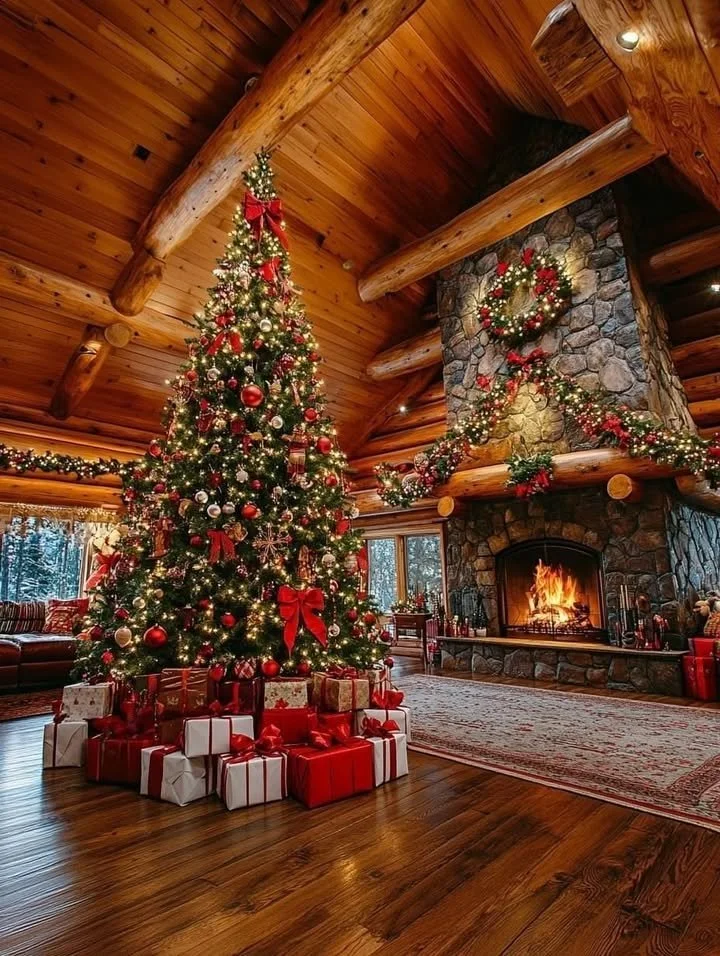
Meta description: Create an inviting cabin atmosphere with warm lighting, layered textiles, natural wood tones, and simple décor—practical tips for a cozy, stylish home.
Inviting cabin atmosphere
Introduction
Creating an inviting cabin atmosphere means blending comfort, warmth, and natural textures so any space feels like a relaxing retreat. Whether you’re decorating a weekend getaway or bringing cabin-inspired style to a city apartment, small changes can make a big difference. For inspiration on layout and materials, check out this amazing mountain cabin to see how rustic elements translate into modern comfort.
Why an inviting cabin atmosphere matters
An inviting cabin atmosphere promotes rest, connection, and simplicity. In a busy world, spaces that feel cozy and intentional support mental well-being and encourage slow moments—reading by the fire, shared meals, and relaxed evenings.
H2: Core elements of a cozy cabin look
H3: Warm, layered lighting
- Use a mix of ambient, task, and accent lighting.
- Choose warm bulbs (2700–3000K) and dimmers to adjust mood.
- Add table lamps and wall sconces to reduce overhead harshness.
H3: Natural materials and textures
- Favor visible wood grain, stone accents, and woven fibers.
- Introduce leather or wool for durable, soulful pieces.
- Keep surfaces tactile: a chunky knit throw, a braided rug, or reclaimed wood side tables.
H3: A simple, muted color palette
Stick to nature-inspired hues: warm neutrals, forest greens, deep navy, and rust. These colors create a calm backdrop that highlights textures without overwhelming the room.
H2: Practical tips to build an inviting cabin atmosphere
H3: Start with the focal point
Choose a primary comfort feature—fireplace, cozy seating nook, or a window view—and arrange furniture to emphasize it. Anchor the area with a large rug and layered cushions.
H3: Layer textiles for depth
- Throws, cushions, and area rugs add warmth and sound absorption.
- Mix patterns sparingly: plaid or subtle stripes pair well with solids.
- Choose durable fabrics that age gracefully, like canvas, wool, and linen.
H3: Bring the outdoors in
Houseplants, a bowl of pinecones, or a simple vase of branches add life and seasonal interest. Natural elements help bridge interior and exterior, reinforcing a cabin feel.
H3: Personalize with curated accents
Display well-loved books, vintage ceramics, framed landscapes, or handcrafted items. A few intentional objects tell a story and make the space feel lived-in, not staged.
H2: Small changes that make a big difference
- Swap harsh overhead bulbs for warm lamps.
- Replace thin curtains with heavier drapery to insulate and soften light.
- Add a runner or area rug to absorb sound and add warmth to hard floors.
- Install hooks and baskets for tidy storage that still reads as rustic décor.
H3: Scent and sound
Scent is a powerful mood setter—candle scents like cedar, sandalwood, or cinnamon evoke comfort. Soft background music or the crackle of a fireplace app can deepen the sense of retreat.
H2: Budget-friendly cabin styling ideas
- Paint an accent wall in a warm, earthy tone instead of full renovation.
- Refinish or repurpose thrifted wooden furniture.
- Use removable wallpaper or peel-and-stick planks for a faux-wood feature.
- Layer store-bought throws and DIY knit cushions for a handcrafted look.
SEO FAQ
Q: How can I make my living room feel like a cabin without renovating?
A: Focus on lighting, textiles, and natural accents—warm bulbs, layered throws, wood and stone accessories, plus a consistent color palette.
Q: What are the best colors for a cabin-style interior?
A: Earth tones—warm beiges, charcoal, forest green, burnt orange, and muted blues—create a cozy, natural atmosphere.
Q: Which lighting types are essential for a cabin vibe?
A: Use a mix of ambient (soft overhead or pendant), task (reading lamps), and accent lighting (sconces or candles) with warm bulbs.
Q: How do I balance rustic and modern styles?
A: Pair clean-lined furniture with rustic textures and materials. Keep décor minimal and choose statement pieces that blend both aesthetics.
Q: Are plant choices important for a cabin atmosphere?
A: Yes—hardy, low-maintenance plants like snake plant, pothos, or small pines add greenery without high upkeep.
Conclusion
An inviting cabin atmosphere is achievable through thoughtful lighting, natural materials, layered textiles, and personal touches—small updates deliver big comfort. For more curated ideas and visual guides to transform your living space, explore this resource: Cozy Cabin Nook: Transform Your Living Space. Ready to relax in a cozier home? Start with one change today—swap a lamp, add a throw, or bring in a natural accent—and feel the difference.
Call to action: Try one simple update this week and share a photo of your cozy transformation to inspire others.